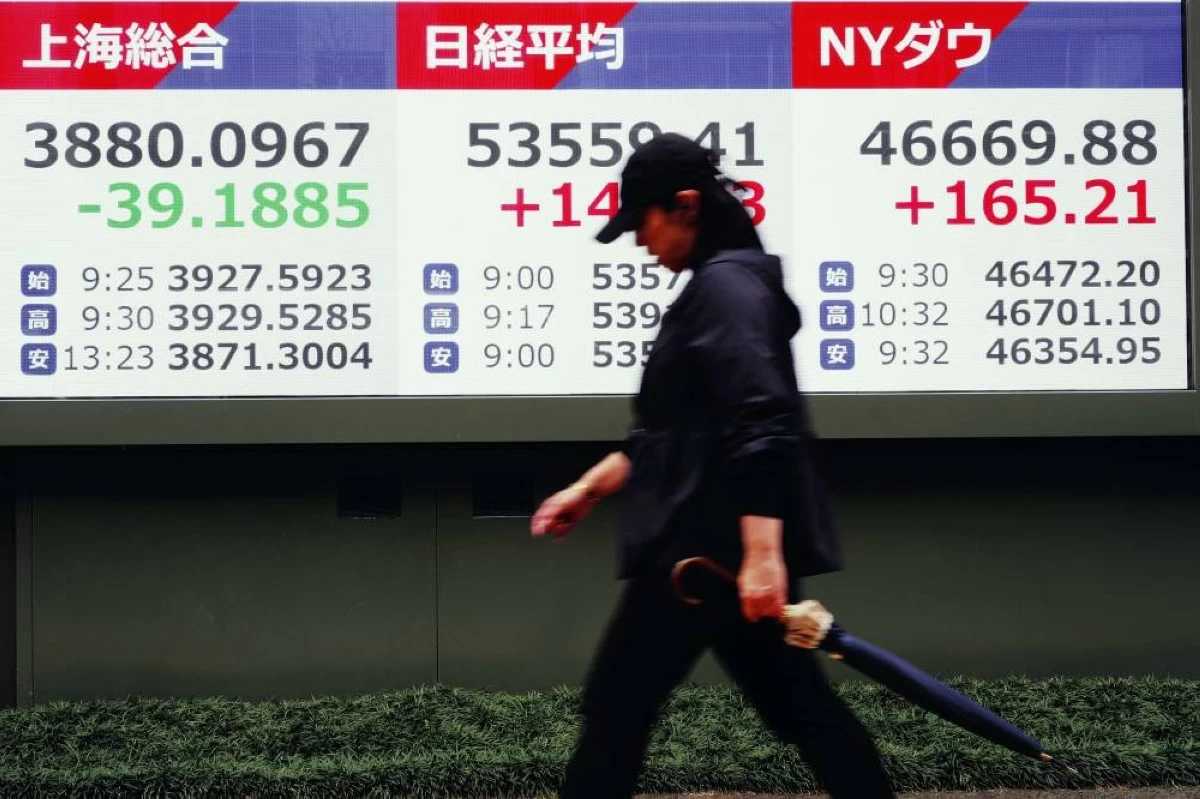
Global stocks wavered on Tuesday, with oil prices remaining above $110 per barrel as the prospect of escalation in the U.S.-Iran war and the looming deadline for a deal kept investors on edge. Markets have been rattled since the conflict broke out in late February, after Tehran effectively closed the Strait of Hormuz, a critical global oil transit chokepoint that has fueled inflation concerns. While investors have pinned their hopes on a resolution, talks have yielded no progress, with U.S. President Donald Trump setting a deadline of Tuesday 8 p.m. Eastern Time (0000 GMT Wednesday) for an agreement to be reached. This has triggered a risk-off sentiment, with the U.S. dollar holding onto its gains and oil prices surging. Brent crude futures rose 1% to $111.53 a barrel, having climbed over 50% since the war began. A record-breaking quarterly profit forecast from chipmaker Samsung Electronics provided some relief to investor sentiment during Asian trading hours before the reality of the energy shock from the six-week-long conflict set in. Japan's Nikkei was choppy, erasing early gains to trade flat. The dollar has been the safe-haven asset of choice during the turmoil. The Japanese yen last bought 159.74 per U.S. dollar, hovering near the key 160 level that traders are watching closely for any signs of potential intervention by Tokyo, especially following recent strong comments from officials. Gold prices eased 0.17% to $4,640 per ounce in early trading. Inflation data due on Friday is expected to highlight the extent of pricing pressure from rising energy costs, but for now, investor focus will remain on Trump's war deadline and whether a deal can be agreed. In currencies, the euro was steady at $1.1538. However, there is little market participants can do but wait and see. 'The more intrepid traders might make a bet one way or the other,' the report noted. The dollar index, which measures the U.S. currency against a basket of six others, was at 100.03, near its recent highs. 'We are back on a Trump-imposed countdown clock, and there's no way to predict with any confidence what will happen,' said Kyle Rodda, senior markets analyst at Capital.com. Others will look to hedge their risk or stay out of the market altogether. U.S. stock futures fell 0.35%, while European futures pointed to a slightly higher open after being closed for holidays on Friday and Monday. South Korean stocks were up 0.2% after surging over 2.5% earlier in the session. U.S. inflation data on Monday showed growth in the services sector slowed in March, while prices paid by businesses for inputs increased by the most in over 13 years, an early indication that the prolonged war with Iran is adding to inflationary pressures.
Global Stocks Waver as U.S.-Iran War Tensions Mount
Global stocks wavered on Tuesday, with oil prices remaining above $110 per barrel as the prospect of escalation in the U.S.-Iran war and the looming deadline for a deal kept investors on edge. Markets have been rattled since the conflict broke out in late February, after Tehran effectively closed the Strait of Hormuz, a critical global oil transit chokepoint that has fueled inflation concerns. While investors have pinned their hopes on a resolution, talks have yielded no progress, with U.S. President Donald Trump setting a deadline of Tuesday 8 p.m. Eastern Time (0000 GMT Wednesday) for an agreement to be reached. This has triggered a risk-off sentiment, with the U.S. dollar holding onto its gains and oil prices surging. Brent crude futures rose 1% to $111.53 a barrel, having climbed over 50% since the war began. A record-breaking quarterly profit forecast from chipmaker Samsung Electronics provided some relief to investor sentiment during Asian trading hours before the reality of the energy shock from the six-week-long conflict set in. Japan's Nikkei was choppy, erasing early gains to trade flat. The dollar has been the safe-haven asset of choice during the turmoil. The Japanese yen last bought 159.74 per U.S. dollar, hovering near the key 160 level that traders are watching closely for any signs of potential intervention by Tokyo, especially following recent strong comments from officials. Gold prices eased 0.17% to $4,640 per ounce in early trading. Inflation data due on Friday is expected to highlight the extent of pricing pressure from rising energy costs, but for now, investor focus will remain on Trump's war deadline and whether a deal can be agreed. In currencies, the euro was steady at $1.1538. However, there is little market participants can do but wait and see. 'The more intrepid traders might make a bet one way or the other,' the report noted. The dollar index, which measures the U.S. currency against a basket of six others, was at 100.03, near its recent highs. 'We are back on a Trump-imposed countdown clock, and there's no way to predict with any confidence what will happen,' said Kyle Rodda, senior markets analyst at Capital.com. Others will look to hedge their risk or stay out of the market altogether. U.S. stock futures fell 0.35%, while European futures pointed to a slightly higher open after being closed for holidays on Friday and Monday. South Korean stocks were up 0.2% after surging over 2.5% earlier in the session. U.S. inflation data on Monday showed growth in the services sector slowed in March, while prices paid by businesses for inputs increased by the most in over 13 years, an early indication that the prolonged war with Iran is adding to inflationary pressures.